Structural, Aesthetic, and Environmental Benefits
There is no better honor than harnessing the very woods of Maine, the Pine Tree State. Not only is it ideal for a positive environmental impact, wood is a beautiful and distinctive material to use.
We have a few: our state tree is the eastern white pine; the red pine also grows here. The wood is best described as buoyant but sturdy: a versatile softwood. Cedar is frequently sought after in woodworking, especially for exterior use. It is also popular due to its pleasant and bug-repelling fragrance. Most cedar species are softwood, and the two most common are very light weight woods.
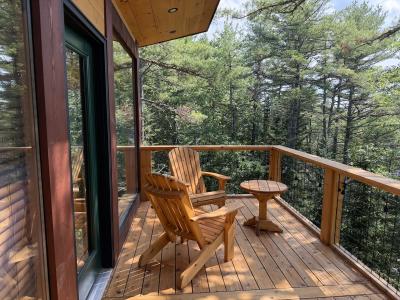
Structural Benefits
Wood is first treated for durability, fire resistance, and weathering. Additionally, it is forcibly dried out to eliminate moisture-- otherwise the wood may rot and warp. From there you have the perfect durable material for trim, frames, cabinets, flooring, and more!
Wood is known to be a great insulator: positioning combined with ventilation greatly reduces heating and cooling costs. Wood also improves the acoustics of your home, reducing echo and softening sound.
It may be surprising to have "flexibility" and "wood" in the same sentence, but this material is lighter than the traditional, heavier foundations. You have a greater range of styles to implement-- such as taller or more complex structures.
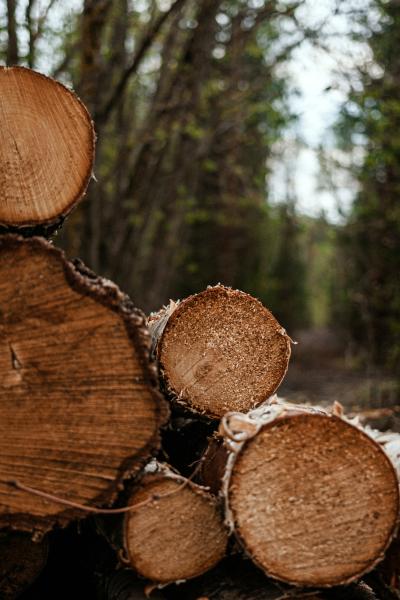
More Benefits of Local Wood
Aesthetic Benefits
When you want something calm, cozy, and the feeling of "home," wood has always been the most reliable for that purpose. The coloring is typically a light yellow that deepens to a golden tan with age. There is an appealing grainy pattern and holds a comforting hue throughout the years. In short, and literally: A natural beauty.
Acadia Building also has one word to describe this aspect of architecture: timeless. Thoughtful and careful craftsmanship lasts forever, enjoyed by generations to come.
Environmental Benefits
Sourcing local wood allows us to achieve sustainable architecture in our work. As wood insulates, less energy is consumed: you remain warm in the winter, and cool in the summer. Using wood is also a viable greenhouse gas emission reduction strategy. And due to the breathability of wood there is healthier indoor air quality.
Furthermore, wood is a renewable resource when harvested ethically via forest management. This in turn helps in decreasing the risk of wildfires and reducing the habitats of invasive pests.
Financial & Timing Benefits
As with all aspects of a passive house, using locally-sourced wood is the more affordable option. Wood elements can be prefabricated (and with the assembly happening on-site), and be transported easily due to it being a lightweight material. All of these points greatly reduce construction time for a much healthier budget.
We take great pride in the material we choose for our projects, regardless of size: from the foundation of an entire home to a customer's unique flourish.